

Ford Ranger Steering Lock Emulator Supply & Fitting Service (2019+)
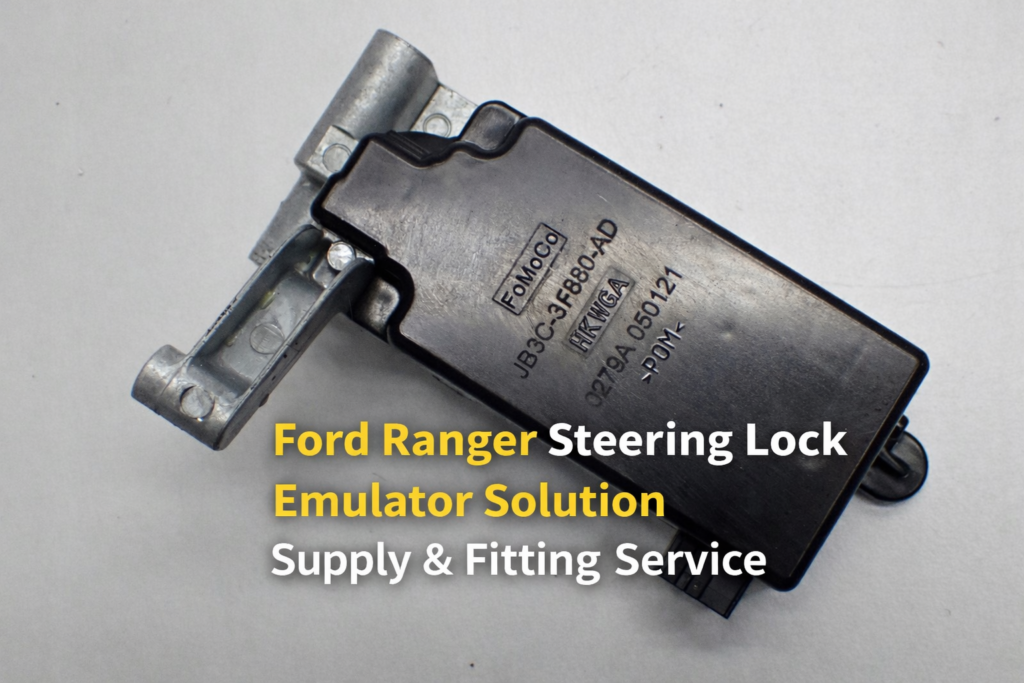
MR IGNITION • FORD STEERING LOCK SPECIALIST Ford Ranger Steering Lock Emulator Supply & Fitting Service (2019+) Specialist assistance for suitable Ford Ranger electronic steering column lock faults, including diagnosis, steering lock emulator supply, professional installation and post-installation testing. If your Ford Ranger will not start, shows steering lock warnings or the dashboard powers up but the engine will not crank, the cause may be an electronic steering column lock fault. Electronic steering column lock, or ESCL, failures can immobilise the vehicle even when the key, immobiliser and other systems appear to be operating correctly. When the steering lock fails to activate or release correctly, the vehicle may prevent engine start as part of its security and starting system. Mr Ignition provides specialist steering lock services for suitable Ford Ranger vehicles, including fault assessment and, where appropriate for the specific vehicle and confirmed fault, steering lock emulator supply and professional fitting. Ford Ranger Not Starting? Quick Answer If your 2019-onwards Ford Ranger recognises the key but will not start, displays a steering lock or steering system warning, or powers up without the starter engaging, an electronic steering column lock fault may be one possible cause. In some cases, a failed steering lock can prevent the vehicle from completing the normal starting sequence even when the key itself is working correctly. However, steering lock faults are not the only possible cause of a Ford Ranger no-start condition. Battery, electrical, key-recognition, brake sensor and other starting-system faults may produce overlapping symptoms. Correct diagnosis is therefore important before fitting replacement components or an emulator. Ford Ranger Immobilised by a Steering Lock Fault? Contact Mr Ignition if your Ford Ranger is experiencing a suspected electronic steering lock fault or related starting problem. Same-day service may be available subject to current availability, exact location, vehicle and work required. We are available 24/7 for ignition and steering lock enquiries. Call Now WhatsApp Us What Is the Ford Ranger Electronic Steering Column Lock? The electronic steering column lock forms part of the vehicle’s security and starting system. Depending on the vehicle specification, it works with other electronic systems involved in vehicle access, key recognition and starting authorisation. When operating normally, the steering lock system must complete the expected locking or unlocking sequence and communicate its status correctly to the relevant vehicle systems. If the electronic steering lock fails to activate, release or report its status correctly, the vehicle may prevent the normal starting sequence from completing. This means a Ford Ranger can potentially have a working key and functioning dashboard electronics while still refusing to start because another required part of the authorisation sequence has not completed normally. Common Symptoms of Ford Ranger Steering Lock Failure Customers with Ford Ranger steering lock or related starting faults may report one or more of the following symptoms. Vehicle Will Not Start The Ford Ranger may refuse to start even though the key appears to be recognised by the vehicle. Steering Lock Warning A steering lock or steering system-related warning may appear on the dashboard when the vehicle cannot confirm normal operation of the relevant system. Steering Wheel Locked The steering wheel may remain locked or partially locked when the steering lock mechanism fails to complete its normal release sequence. Dashboard Powers Up but No Crank The dashboard may power up normally while the starter does not engage because the required starting sequence has not completed. Key Recognised but No Start The vehicle may recognise the key correctly but still prevent starting if another security or steering lock function has not completed as expected. Intermittent Starting Faults A developing steering lock problem may initially be intermittent. The Ranger may start normally on some occasions before the fault eventually becomes permanent. Important: A Ford Ranger that will not start does not automatically have a failed electronic steering lock. Battery condition, vehicle electronics, key recognition, brake sensor-related faults and other starting-system components may cause similar symptoms. The actual fault should be established before an emulator or replacement component is fitted. Ford Ranger Models Covered This specialist steering lock emulator supply and fitting service is intended for suitable Ford Ranger 2019 onwards applications, including relevant keyless and push-start systems depending on vehicle specification. Not every Ford Ranger uses exactly the same electronic steering lock arrangement. Model year, vehicle specification, fitted components and part revisions can vary. Compatibility should therefore be confirmed for the specific vehicle before an emulator solution is supplied or fitted. Ford Ranger Steering Lock Part Numbers Steering lock units and associated references connected with certain Ford Ranger electronic steering lock systems may include: JB3C-3F880-AD 2351385 – Ford OEM reference associated with certain steering lock assemblies These references may be associated with genuine steering column lock units fitted to certain Ford Ranger models with electronic steering lock systems. A matching or similar part number alone does not confirm that an emulator is appropriate or compatible with every vehicle. Different revisions may exist, and the specific vehicle and system should be checked before proceeding. Why Do Ford Ranger Electronic Steering Locks Fail? Electronic steering locks contain a combination of electronic and mechanical components. Depending on the design, these may include internal motors, mechanical locking components, sensors, position detection and electronic control circuitry. Over time, mechanical wear or internal electronic faults may prevent the steering lock from completing its normal operating cycle. If the lock does not activate or release correctly, or the vehicle cannot confirm the expected lock status, the security system may prevent normal ignition or starting operation. In some situations, steering lock-related faults may also appear following battery problems, low voltage events or electrical interruptions affecting vehicle modules. Because different faults can produce similar symptoms, the specific vehicle should be assessed before deciding on the appropriate repair or emulator solution. What Is a Ford Ranger Steering Lock Emulator? A steering lock emulator is an electronic solution designed for certain compatible vehicle systems where a failed electronic steering lock is preventing normal vehicle operation. For a suitable and confirmed application,
Porsche Steering Lock Emulator Supply & Fitting Service (2005–2012 Models)

MR IGNITION • PORSCHE STEERING LOCK SPECIALIST Porsche Steering Lock Emulator Supply & Fitting Service – 2005–2012 Models Specialist assistance for suitable Porsche electronic steering lock faults affecting 2005–2012 models, including fault assessment, steering lock emulator solutions, professional installation and testing. Electronic steering lock failure can leave a Porsche completely immobilised, even when the vehicle key appears to be operating correctly. The key may turn or be recognised, but the ignition may fail to activate and the engine may not crank. Owners may experience intermittent starting problems, steering lock warning messages, no ignition response or a vehicle that suddenly refuses to start. These symptoms can be associated with a failed electronic steering lock on suitable Porsche models manufactured between approximately 2005 and 2012, including relevant Porsche 911 (997), Boxster (987) and Cayman (987) applications. Mr Ignition provides specialist steering lock services for suitable Porsche vehicles, including diagnosis and, where appropriate for the specific vehicle and confirmed fault, steering lock emulator supply and professional fitting. Porsche Key Turns but Car Won’t Start? Quick Answer If your Porsche key turns or is recognised but the ignition does not respond, the engine will not crank or the steering lock does not release correctly, an electronic steering lock fault may be one possible cause. A failed steering lock can potentially prevent the vehicle from completing the normal starting authorisation sequence, leaving the Porsche immobilised. However, not every Porsche no-start condition is caused by the steering lock. Battery condition, key recognition, ignition electronics and other vehicle systems can produce overlapping symptoms. The fault should therefore be assessed before fitting an emulator or replacing components. Porsche Immobilised by a Steering Lock Fault? Contact Mr Ignition if your Porsche is experiencing a suspected electronic steering lock fault, steering lock warning or related no-start problem. Same-day service may be available subject to current availability, exact location, vehicle and work required. We are available 24/7 for ignition and steering lock enquiries. Call Now WhatsApp Us What Is the Porsche Electronic Steering Lock? The electronic steering lock forms part of the vehicle’s security and starting system. Depending on the Porsche model and system fitted, the steering lock must complete the expected unlocking sequence before the vehicle can proceed through normal ignition and starting authorisation. When operating correctly, the relevant vehicle systems communicate with the steering lock and confirm that the required conditions for normal operation have been met. If the electronic steering lock develops a fault, the vehicle may be unable to confirm that the steering lock has released correctly. This can potentially prevent ignition activation or engine starting, even though the vehicle key itself appears to be recognised. Common Symptoms of Porsche Steering Lock Failure A failed or developing Porsche electronic steering lock can produce several different symptoms depending on the vehicle and nature of the fault. Porsche Will Not Start The vehicle may become completely immobilised and refuse to start because the required starting authorisation sequence cannot complete normally. Key Turns but Engine Will Not Crank The key may turn or appear to operate normally while the engine fails to crank or the expected ignition sequence does not begin. Steering Lock Warning A warning relating to the steering lock or steering system may appear when the vehicle cannot confirm normal operation of the electronic steering lock. No Ignition Response The vehicle may show little or no expected ignition response when the driver attempts to start it, depending on the specific fault. Intermittent Starting Problems A developing steering lock fault may initially occur intermittently, with the Porsche starting normally on some occasions before failing on others. Complete Vehicle Immobilisation If the steering lock fault becomes permanent, the vehicle may remain immobilised and unable to complete the normal ignition or starting sequence. Important: A Porsche that does not start does not automatically have a failed electronic steering lock. Battery condition, ignition electronics, key recognition and other starting-system faults can produce similar symptoms. Correct diagnosis is important before an emulator or replacement component is fitted. Porsche Models Commonly Associated With Steering Lock Faults Electronic steering lock-related problems may affect certain Porsche vehicles from the 2005–2012 period, depending on the specific model, year and system fitted. Relevant applications may include: Porsche 911 (997) Porsche 997 Carrera Porsche 997 Carrera S Porsche 997 Carrera 4 Porsche 997 Carrera 4S Porsche Boxster (987) Porsche Cayman (987) Other compatible Porsche 997 and 987 applications Not every vehicle within these model ranges necessarily uses the same steering lock component or requires the same repair. Compatibility should be confirmed for the specific Porsche before an emulator or replacement solution is selected. Porsche Steering Lock Part Numbers Part-number references associated with certain Porsche steering lock applications may include: 99734701700 99734701701 99734701702 99734701703 99734701704 99734701705 99734701706 99734701707 99734701708 These references may be associated with different revisions or applications within relevant Porsche steering lock systems. A part number alone should not be used to diagnose a steering lock fault or confirm emulator compatibility. The specific vehicle, model year, fitted component and actual fault should be checked before determining the appropriate solution. Why Do Porsche Electronic Steering Locks Fail? Electronic steering locks combine mechanical and electronic components. Depending on the design, these may include internal motors, gears, locking mechanisms, sensors, position detection and electronic circuitry. Mechanical wear or internal electronic faults can eventually prevent the steering lock from completing its normal operating cycle. If the vehicle cannot confirm that the steering lock has released correctly, it may prevent the normal ignition and starting sequence from proceeding. Some faults may initially be intermittent. A driver may experience occasional starting difficulties before the steering lock eventually fails completely and leaves the vehicle immobilised. Because different electrical and security-system faults can produce similar symptoms, the specific cause should be established before deciding on the appropriate solution. What Is a Porsche Steering Lock Emulator? A steering lock emulator is an electronic solution designed for certain compatible vehicle systems where a confirmed failed electronic steering lock is preventing normal vehicle operation. For a suitable application,
Ford H1BC-3F880-CE Steering Lock (ESL) Replacement & Emulator Services – UK
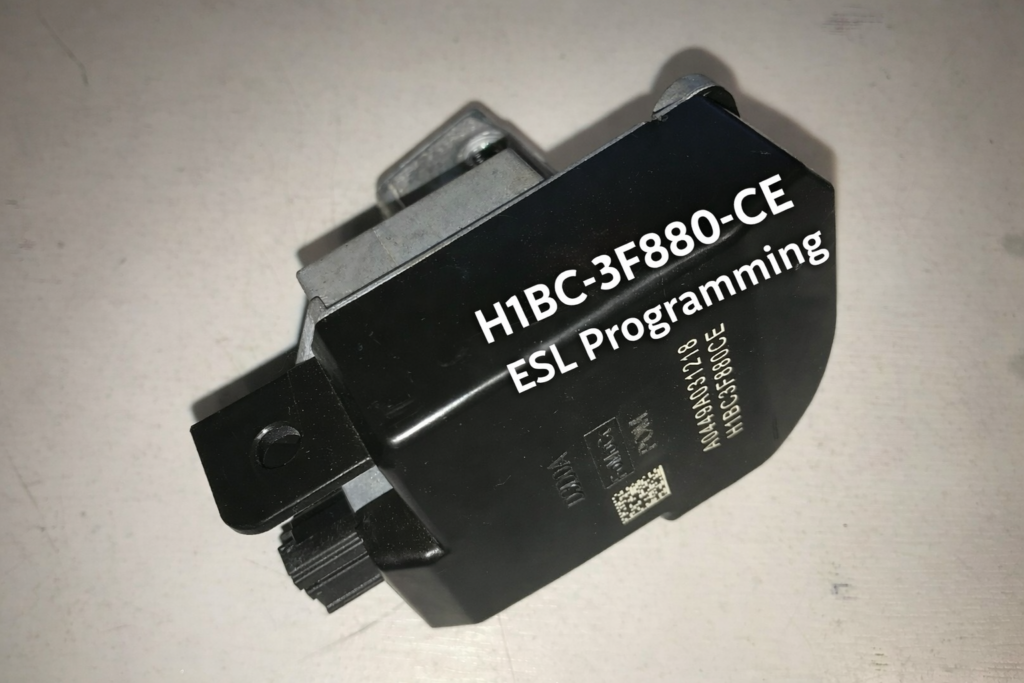
MR IGNITION • FORD ELECTRONIC STEERING LOCK SPECIALIST Ford H1BC-3F880-CE Steering Lock (ESL) Replacement & Emulator Services UK Specialist assistance for suitable Ford electronic steering lock faults involving H1BC-3F880-CE and related ESL applications, including diagnosis, replacement, emulator solutions, programming and professional installation. A failed Ford electronic steering lock can leave the vehicle unable to start even when the key appears to be recognised correctly. Drivers may experience steering lock warnings, no ignition response, intermittent starting problems or a dashboard that powers up while the vehicle refuses to crank. The H1BC-3F880-CE electronic steering lock, also referred to as an ESL or electronic steering column lock, is associated with certain Ford vehicle applications and steering lock systems. When an electronic steering lock develops a fault, the vehicle may be unable to confirm that the steering column has unlocked correctly. Depending on the vehicle and system involved, this can prevent the normal starting authorisation sequence from completing. Mr Ignition provides specialist Ford steering lock services, including fault diagnosis, steering lock replacement and, for suitable confirmed applications, electronic steering lock emulator solutions, programming and professional fitting. Ford H1BC-3F880-CE Steering Lock Fault? Quick Answer If your Ford recognises the key but will not start, displays a steering lock warning, powers up without cranking or gives no response from the start button or ignition, a failed electronic steering lock may be one possible cause. For vehicles fitted with a compatible H1BC-3F880-CE or related electronic steering lock system, the appropriate solution may involve specialist diagnosis, ESL replacement or a compatible steering lock emulator solution. The exact vehicle, fitted steering lock and underlying fault should always be confirmed before replacement or emulator installation. Ford Immobilised by an Electronic Steering Lock Fault? Contact Mr Ignition if your Ford has a suspected H1BC-3F880-CE steering lock fault, steering lock warning or related no-start problem. Same-day service may be available subject to current availability, exact location, vehicle and work required. We are available 24/7 for ignition and steering lock enquiries. Call Now WhatsApp Us What Is the Ford H1BC-3F880-CE Electronic Steering Lock? The electronic steering lock forms part of the security and starting system on suitable Ford vehicles. It is designed to control the locking and unlocking of the steering column in coordination with other vehicle systems. The part reference H1BC-3F880-CE is associated with certain Ford electronic steering lock applications. Different revisions and related part numbers may exist depending on vehicle model, production date and system specification. During normal vehicle operation, the relevant security and starting systems expect the electronic steering lock to complete the required locking or unlocking sequence and report its status correctly. If the ESL fails internally or cannot communicate its expected status, the vehicle may prevent the normal ignition or starting process from completing. Common Symptoms of Ford Electronic Steering Lock Failure A failed or developing Ford ESL can produce different symptoms depending on the vehicle and exact nature of the fault. Ford Will Not Start The vehicle may refuse to start because the required steering lock and starting authorisation sequence cannot complete normally. Key Recognised but No Crank The vehicle may appear to recognise the key correctly while the engine does not crank or the normal starting sequence fails to proceed. Steering Lock Warning A steering lock or steering system warning may appear when the vehicle cannot confirm normal operation of the electronic steering lock. Dashboard Powers On but Vehicle Won’t Start The dashboard and other electrical systems may power up while the vehicle remains immobilised and the starter does not engage. No Response From Start Button or Ignition Depending on the vehicle and fault, pressing the start button or attempting to operate the ignition may produce little or no expected response. Clicking From the Steering Column Clicking or repeated attempted operation from the steering column area may occur with some electronic steering lock faults, although this symptom alone does not confirm the failed component. Intermittent Starting Problems A developing ESL fault may initially be intermittent. The vehicle may start normally on one occasion and then fail to start at another time. Immobiliser or Security Warning Some steering lock-related problems may be accompanied by immobiliser or security warnings, depending on how the vehicle systems respond to the fault. Important: A Ford that does not start does not automatically have a failed H1BC-3F880-CE electronic steering lock. Battery condition, key recognition, immobiliser faults, vehicle electronics, wiring and other starting-system components can produce similar symptoms. The actual cause should be established before fitting an ESL replacement or emulator. Ford Models Associated With H1BC-3F880-CE and Related ESL Systems H1BC-3F880-CE and related electronic steering lock systems may be associated with certain Ford vehicle applications depending on model, year, specification and component revision. Vehicle applications referenced in connection with these types of Ford ESL systems can include: Ford Kuga / Escape M23 Ford Fiesta MK8 Ford Focus MK4 Ford Mustang Mach-E Ford Puma MK2 Ford Tourneo applications Other compatible Ford vehicles using related electronic steering lock systems This list should not be interpreted as confirmation that every version, year or specification of these models uses the H1BC-3F880-CE steering lock. Compatibility should be confirmed using the individual vehicle details, fitted component, part number and system before replacement or emulator installation. Ford H1BC-3F880-CE Part Number and Compatibility H1BC-3F880-CE is an important reference for owners and technicians searching for information about certain Ford electronic steering lock failures. However, Ford components can have different revisions, superseded references and vehicle-specific applications. A visually similar steering lock or similar part-number reference does not automatically confirm compatibility. Before supplying a replacement ESL or emulator solution, the specific vehicle and fitted steering lock system should be checked. When contacting Mr Ignition, providing the vehicle registration, model, year and any visible part-number information can help with compatibility checks. Why Do Ford Electronic Steering Locks Fail? Electronic steering locks combine mechanical and electronic components. Depending on the design, the unit may contain an electric motor, locking mechanism, position sensing components and electronic circuitry. Mechanical wear or internal electrical faults can eventually prevent
Steering Lock Replacement Near Me — Why It Fails and What NOT To Do
MR IGNITION • MOBILE STEERING LOCK SPECIALIST Steering Lock Replacement Near Me – Why It Fails and What NOT To Do Looking for steering lock replacement near you? Learn why mechanical and electronic steering locks fail, the warning signs to look for, what you should avoid doing when a steering lock jams, and how specialist diagnosis, repair or replacement can help get your vehicle working again. If you are searching for “steering lock replacement near me”, there is a good chance your vehicle is already difficult or impossible to start, the steering wheel will not unlock, or a steering lock warning has appeared on the dashboard. A steering lock problem can be frustrating because it may leave a vehicle completely immobilised. On modern vehicles, the steering lock can form part of a wider electronic security and starting system, meaning a fault may prevent the normal starting sequence from completing. Depending on the vehicle and type of steering lock fitted, the problem may involve mechanical wear, an internal electronic failure, a motor or position-sensing fault, communication problems or another issue elsewhere in the vehicle’s starting and security system. Mr Ignition provides specialist mobile steering lock services for suitable vehicles, including fault assessment and, where appropriate, steering lock repair, replacement and compatible electronic steering lock solutions. Need Steering Lock Replacement Near You? Quick Answer If your steering wheel remains locked, your key will not turn normally, the vehicle displays a steering lock warning or the car recognises the key but will not start, a steering lock fault may be one possible cause. Do not assume immediately that the entire steering lock must be replaced. Depending on the vehicle and confirmed fault, the appropriate solution could involve specialist diagnosis, repair of the original component, steering lock replacement or, for certain compatible electronic systems, another specialist solution. Correct diagnosis matters because battery, key, immobiliser, ignition and other electrical faults can sometimes produce symptoms similar to steering lock failure. Steering Lock Fault Leaving Your Vehicle Immobilised? Contact Mr Ignition if your vehicle has a suspected steering lock fault, steering lock warning or related starting problem. Same-day service may be available subject to current availability, exact location, vehicle and work required. We are available 24/7 for ignition and steering lock enquiries. Call Now WhatsApp Us What Does a Steering Lock Do? A steering lock is a vehicle security component designed to restrict steering movement when the vehicle is not in normal use. Older vehicles commonly use a mechanical steering lock integrated with or connected to the ignition barrel. Modern vehicles may instead use an electronic steering lock, often referred to as an ESL, ESCL or electronic steering column lock. On vehicles with an electronic steering lock, the system can communicate with other security and starting modules. The vehicle may expect confirmation that the steering lock has released correctly before allowing the normal ignition or starting sequence to proceed. If the steering lock jams mechanically or an electronic steering lock fails to operate or communicate correctly, the vehicle may become difficult or impossible to start. Common Signs of Steering Lock Failure The symptoms of a steering lock fault vary depending on the vehicle, whether the system is mechanical or electronic, and the exact nature of the failure. Steering Wheel Will Not Unlock The steering wheel may remain locked when you attempt to start or use the vehicle. Key Will Not Turn Normally On vehicles with mechanical ignition and steering lock systems, a worn or jammed component may make the key difficult or impossible to turn. Steering Lock Warning Message Modern vehicles may display a steering lock or steering column warning when the electronic system cannot confirm normal operation. Key Recognised but Vehicle Will Not Start The vehicle may recognise the key while another part of the security or starting sequence, potentially including the electronic steering lock, fails to complete. Dashboard Powers Up but No Crank On some electronic systems, the dashboard may power up while the starter does not engage because the required starting authorisation sequence has not completed. Intermittent Starting Problems A developing steering lock fault may initially occur intermittently before eventually leaving the vehicle immobilised. Why Do Steering Locks Fail? Steering locks can fail for several reasons. The likely cause depends heavily on whether the vehicle uses a traditional mechanical steering lock or a modern electronic steering lock system. 1. Mechanical Wear and Internal Damage Mechanical steering lock components can wear over time. Internal locking components, ignition-related mechanisms and moving parts may become worn, damaged or jammed. Repeated use, age and general mechanical wear can eventually make the lock difficult to operate. 2. Electronic Motor Failure Some electronic steering locks use an internal motor or actuator to operate the locking mechanism. If the motor or associated internal components fail, the steering lock may no longer complete its expected locking or unlocking sequence. 3. Position Detection or Sensor Faults Electronic steering lock systems may need to determine whether the lock is in the expected position. If the system cannot correctly detect or report the steering lock position, the vehicle may interpret this as a fault and prevent normal operation. 4. Data, Communication or Software-Related Problems Modern vehicle systems depend on communication between multiple electronic modules. In some cases, communication, configuration or electronic data-related issues may contribute to steering lock or starting-system faults. This does not mean that every steering lock warning is a software problem. Proper diagnostic assessment is required to establish the actual cause. 5. Mechanical Jamming A mechanical steering lock can become jammed or loaded against the steering column, particularly when pressure is being applied through the steering wheel. In some situations, gently reducing pressure on the steering wheel while operating the key normally may release a loaded steering lock. Excessive force should not be used. 6. Moisture or Corrosion Moisture ingress or corrosion can potentially affect mechanical or electrical components, depending on the location and design of the steering lock system. Where corrosion or contamination is suspected, the component and surrounding systems
How Electronic Column Locks Fail — 5 Faults We See in Crawley, Horsham & Worthing

MR IGNITION • ELECTRONIC STEERING LOCK SPECIALIST How Electronic Column Locks Fail – 5 Faults We See in Crawley, Horsham & Worthing Electronic steering column lock faults can leave a vehicle unable to start, display steering lock warnings or cause intermittent immobilisation. Here are five common types of electronic column lock and related system faults encountered on suitable vehicles across Crawley, Horsham, Worthing and surrounding areas. Electronic column locks, commonly referred to as electronic steering locks, ESLs or ESCLs, are fitted to many modern vehicles as part of the vehicle’s security and starting system. When working correctly, the electronic steering lock locks and unlocks the steering column as required and, depending on the vehicle, communicates its status to other security and starting-system modules. When the system develops a fault, drivers may experience a steering lock warning, no ignition response, a key that appears to be recognised but the vehicle will not start, intermittent starting problems or complete vehicle immobilisation. Mr Ignition provides specialist mobile steering lock services for suitable vehicles across Crawley, Horsham, Worthing and surrounding areas, including fault assessment and, where appropriate, electronic steering lock repair, replacement and compatible ESL emulator solutions. Electronic Steering Lock Fault? Quick Answer Electronic column locks can fail for several reasons. Common problems can include an internal motor or locking mechanism that no longer operates correctly, electronic data or communication faults, position-sensing problems, moisture or corrosion, and faults involving the wider key-recognition or immobiliser system. The symptoms can overlap. A steering lock warning does not automatically mean that the steering lock itself must be replaced, and a vehicle that will not start does not automatically have an ESL fault. Correct diagnosis is important before repairing, replacing or fitting an alternative electronic steering lock solution. Vehicle Immobilised by an Electronic Steering Lock Fault? Contact Mr Ignition if your vehicle displays a steering lock warning, recognises the key but will not start, or has a suspected electronic column lock fault. Same-day service may be available subject to current availability, exact location, vehicle and work required. We are available 24/7 for ignition and steering lock enquiries. Call Now WhatsApp Us What Is an Electronic Steering Column Lock? An electronic steering column lock is a security component used on many modern vehicles. Depending on the vehicle manufacturer and system design, it may be known as an electronic steering lock, ESL, ESCL or electronic steering column lock. Unlike a traditional mechanical steering lock operated directly through an ignition barrel, an electronic steering lock can form part of a wider network of vehicle security electronics. The system may interact with the vehicle key, immobiliser, ignition or start-authorisation system and other electronic control modules. On suitable systems, the vehicle expects confirmation that the steering lock has completed the required unlocking sequence before normal starting authorisation can continue. If the expected operation or communication does not take place, the vehicle may display a warning or prevent the normal ignition and starting sequence from completing. Common Symptoms of Electronic Column Lock Failure Electronic steering lock faults can produce different symptoms depending on the vehicle and the specific failure. Steering Lock Warning A steering lock, steering column or related security warning may appear on the dashboard. Key Recognised but No Start The vehicle may appear to recognise the key while the normal ignition or starting authorisation sequence does not complete. Dashboard Powers Up but No Crank Electrical systems may operate while the starter does not engage, depending on the vehicle and nature of the fault. Steering Wheel Remains Locked The electronic locking mechanism may fail to release, leaving the steering wheel or column locked. Intermittent Starting Problems A developing electronic steering lock fault may initially occur intermittently before becoming permanent. No Ignition Response Depending on the vehicle system, operating the key or start button may produce little or no expected ignition response. Fault 1: Seized or Jammed Electronic Steering Lock Motor Many electronic steering lock systems use an internal electric motor or actuator to operate the mechanical locking mechanism. Over time, internal mechanical wear, motor failure or a jammed locking mechanism can prevent the steering lock from completing its normal operating cycle. If the vehicle cannot confirm that the steering lock has released correctly, the normal starting authorisation sequence may not proceed. Possible Symptoms Steering wheel remains locked Clicking or attempted operation from the steering column area Steering lock warning message Vehicle recognises the key but will not start Intermittent operation before complete failure A clicking noise alone does not prove that the internal motor has failed. Proper assessment is required because low voltage, electrical supply issues and other faults can sometimes produce overlapping symptoms. Fault 2: EEPROM, Data or Electronic Communication Problems Modern electronic steering lock systems can depend on stored electronic information and communication with other vehicle control modules. Depending on the vehicle and system, corrupted data, configuration problems, communication faults or internal electronic failures may prevent the steering lock system from operating as expected. The exact architecture differs significantly between vehicle manufacturers, so a data-related problem on one vehicle should not automatically be assumed to apply to another. Possible Symptoms Steering lock warning displayed Vehicle intermittently refuses to start Key appears to be recognised but starting is inhibited Communication-related diagnostic faults Replacement component requires configuration or programming Where electronic data, programming or configuration is involved, the correct procedure depends on the specific vehicle and system fitted. Fault 3: Steering Lock Sensor or Position Detection Failure An electronic steering lock system may need to determine whether the locking mechanism has reached the expected locked or unlocked position. If an internal position sensor, switch or related electronic circuit fails, the steering lock may physically move but the vehicle may not receive the expected confirmation. In other cases, the mechanism itself may fail to reach the required position, producing a similar result. Possible Symptoms Steering lock warning remains active Lock appears to operate but vehicle still will not start Intermittent starting authorisation Vehicle becomes immobilised unexpectedly Relevant steering lock position or status faults
Why Your Car Key Isn’t Working: Understanding ESL & ELV Failures and How to Fix Them
MR IGNITION • ESL & ELV STEERING LOCK SPECIALIST Why Your Car Key Isn’t Working: Understanding ESL & ELV Failures and How to Fix Them Your car key may appear to be working correctly, yet the vehicle still refuses to start. On vehicles fitted with an electronic steering lock, an ESL or ELV fault can be one possible cause. Learn the common symptoms, why these systems fail and the specialist repair, replacement and emulator solutions that may be available. If your car key isn’t working as expected, it is natural to assume that the key itself is faulty. However, on modern vehicles, the key is only one part of a much larger electronic security and starting system. In some cases, the vehicle may recognise the key correctly but still refuse to start because another part of the starting authorisation process has failed. One possible cause is a problem with the Electronic Steering Lock (ESL) or Electronic Steering Column Lock (ELV). Depending on the manufacturer, different terminology may be used for electronically controlled steering lock systems. When an ESL or ELV develops a fault, the steering wheel may remain locked, the ignition may not activate, a warning may appear on the dashboard or the vehicle may become completely immobilised. Mr Ignition provides specialist steering lock services for suitable vehicles, including fault assessment and, where appropriate, ESL or ELV repair, replacement, programming and compatible emulator solutions. Car Key Recognised but Vehicle Won’t Start? Quick Answer If your car recognises the key but will not start, the key itself may not be the problem. On vehicles fitted with an electronic steering lock, a failed ESL or ELV may prevent the normal starting authorisation sequence from completing. Possible symptoms include a steering wheel that remains locked, a steering lock warning, no ignition response, dashboard power but no crank, or intermittent starting problems. However, battery, key-recognition, immobiliser, ignition and other electrical faults can produce similar symptoms. The actual cause should be diagnosed before an ESL or ELV is repaired or replaced. Car Key Working but Vehicle Still Won’t Start? Contact Mr Ignition if your vehicle recognises the key but will not start, displays an electronic steering lock warning or has a suspected ESL or ELV fault. Same-day service may be available subject to current availability, exact location, vehicle and work required. We are available 24/7 for ignition and steering lock enquiries. Call Now WhatsApp Us What Are ESL and ELV Steering Lock Systems? ESL commonly refers to an Electronic Steering Lock, while ELV is another term used for an electronic steering locking system on certain vehicle applications. Depending on the manufacturer, you may also see terms such as ESCL or Electronic Steering Column Lock. Although the exact design varies between manufacturers, these systems generally form part of the vehicle’s security architecture and control the locking or unlocking of the steering column electronically. The electronic steering lock may communicate with other vehicle systems involved in key recognition, immobilisation and start authorisation. If the steering lock does not operate correctly or the vehicle cannot confirm its expected status, the normal ignition and starting sequence may be prevented from completing. Is the Problem Your Car Key or the ESL / ELV? A vehicle that does not respond correctly to the key can have several possible causes. Sometimes the key itself is faulty. In other cases, the key may be recognised correctly but the vehicle cannot complete another stage of the starting process. Symptom Possible Area to Investigate Key not recognised at all Key, transponder, key battery where applicable, immobiliser or key-recognition system. Key recognised but steering remains locked Electronic steering lock operation, ESL / ELV system or related vehicle electronics. Key recognised but no ignition response ESL / ELV, ignition system, immobiliser, electrical supply or another stage of start authorisation. Dashboard powers up but vehicle does not crank Starting authorisation, steering lock, starter control, battery or another vehicle electrical fault. Problem occurs intermittently Developing ESL / ELV fault, key-recognition problem, electrical supply issue, wiring or another intermittent vehicle fault. The symptoms alone may not identify the failed component. Specialist diagnosis can help determine whether the problem involves the key, steering lock, immobiliser, ignition or another part of the vehicle’s starting system. Common Symptoms of ESL and ELV Failure Steering Wheel Remains Locked The electronic steering lock may fail to release, leaving the steering wheel or steering column locked. Car Key Recognised but No Start The vehicle may recognise the key correctly while the normal starting authorisation sequence fails to proceed. Steering Lock Warning A steering lock, steering column or related security warning may appear on the dashboard. Immobiliser Warning Depending on the vehicle and fault, an immobiliser or security warning may accompany the no-start condition. No Ignition Response Operating the key or start button may produce little or no expected ignition response. Intermittent No-Start Problems A developing ESL or ELV fault may initially occur intermittently before eventually leaving the vehicle immobilised. Why Do ESL and ELV Steering Locks Fail? Electronic steering locks contain mechanical and electronic components, and the exact design differs between vehicle manufacturers. Several types of failure can potentially affect these systems. 1. Mechanical Wear The internal locking mechanism can experience wear over time. If mechanical components become worn or jammed, the steering lock may fail to complete its normal locking or unlocking sequence. 2. Internal Motor or Actuator Failure Many electronic steering locks use an internal motor or actuator to operate the locking mechanism. If the motor or related internal components fail, the steering lock may no longer release correctly. 3. Electrical and Electronic Faults Electronic components, internal circuitry or electrical connections can develop faults that prevent normal ESL or ELV operation. The exact nature of these failures depends on the specific steering lock design. 4. Position Sensor or Status Detection Problems The vehicle may need confirmation that the steering lock has reached the expected locked or unlocked position. If the relevant position-detection system fails or the mechanism does not reach the expected position,
Comprehensive ESL & ELV Steering Lock Solutions by Mr. Ignition
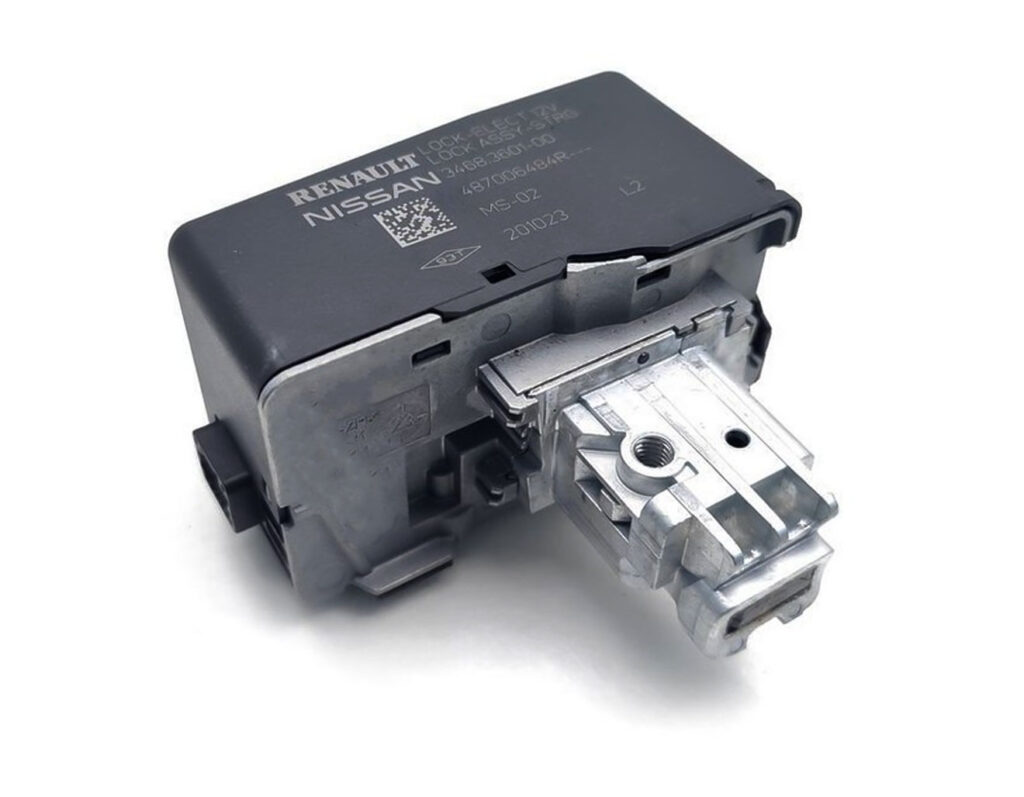
MR IGNITION • ESL & ELV STEERING LOCK SPECIALIST Comprehensive ESL & ELV Steering Lock Solutions by Mr Ignition Specialist ESL and ELV steering lock services for suitable vehicles, including electronic steering lock diagnosis, repair, replacement, programming and compatible emulator solutions. If your key is recognised but the vehicle will not start, the steering remains locked or a steering lock warning appears, an ESL or ELV fault may be one possible cause. Modern vehicle security systems have become increasingly complex. On many vehicles, the key, immobiliser, electronic ignition and steering lock must work together before the normal starting sequence can proceed. An Electronic Steering Lock (ESL) or Electronic Steering Column Lock (ELV) can form an important part of this security and start-authorisation process. When an ESL or ELV system fails, the result can be a vehicle that recognises the key but will not start, a steering wheel that remains locked, no ignition response, a dashboard steering lock warning or intermittent no-start problems. Mr Ignition provides specialist ESL and ELV steering lock solutions for suitable vehicle applications. The appropriate service depends on the specific vehicle and confirmed fault and may include diagnosis, repair, replacement, programming or a compatible electronic steering lock emulator solution. ESL or ELV Steering Lock Problem? Quick Answer If your vehicle recognises the key but the steering remains locked or the vehicle refuses to start, a failed ESL or ELV may be one possible cause. Common electronic steering lock problems can involve mechanical wear, internal motor or actuator failure, electronic faults, position-sensing problems, communication errors, moisture or corrosion, and programming or synchronisation issues. However, not every steering lock warning or no-start condition is caused by the ESL or ELV itself. Battery, key-recognition, immobiliser, ignition, wiring and other vehicle faults can produce similar symptoms. Correct diagnosis should come before repair, replacement or emulator installation. Need an ESL or ELV Steering Lock Specialist? Contact Mr Ignition if your vehicle recognises the key but will not start, the steering wheel remains locked, you have a steering lock warning or you suspect an electronic steering lock failure. Same-day service may be available subject to current availability, exact location, vehicle and work required. We are available 24/7 for ignition and steering lock enquiries. Call Now WhatsApp Us What Is an ESL Electronic Steering Lock? ESL commonly stands for Electronic Steering Lock. It describes an electronically controlled system used on certain vehicles to lock and unlock the steering column as part of the vehicle’s security system. Unlike a traditional mechanical steering lock operated directly through an ignition barrel, an ESL can communicate electronically with other systems in the vehicle. Depending on the vehicle, the system may interact with the key-recognition system, immobiliser, ignition or start-authorisation modules. If the ESL does not operate correctly or the vehicle cannot confirm that it has reached the expected position, the normal starting sequence may be interrupted. What Is an ELV Steering Lock? ELV is another term used for an electronic steering locking system on certain vehicle applications. Terminology varies between vehicle manufacturers, and similar systems may also be described as ESL, ESCL or Electronic Steering Column Lock. Although the terminology differs, the general purpose is to provide electronically controlled steering column security and, on relevant vehicle systems, communicate its status as part of the vehicle’s wider security and starting architecture. The design, electronic architecture and correct repair procedure can vary considerably between manufacturers, models and model years. Common Symptoms of ESL and ELV Failure The symptoms of an electronic steering lock fault depend on the specific vehicle and nature of the failure. Common signs can include: Key Recognised but Vehicle Won’t Start The vehicle may recognise the key correctly while another stage of the security or starting authorisation sequence fails to complete. Steering Wheel Remains Locked The electronic steering lock may fail to release, leaving the steering column locked when the vehicle is being started. Steering Lock Warning A steering lock, steering column or related security warning may appear on the dashboard. No Ignition Response Operating the key or start button may produce little or no expected ignition response, depending on the vehicle and fault. Dashboard Powers Up but No Crank Some vehicle electrical systems may operate while the starter does not engage because the required starting authorisation has not completed. Intermittent No-Start Problems A developing ESL or ELV problem may initially occur intermittently before eventually leaving the vehicle immobilised. Why Do ESL and ELV Steering Locks Fail? Electronic steering locks combine mechanical and electronic components. As a result, several different types of failure can potentially affect the system. 1. Mechanical Wear Internal mechanical components can wear with age and use. If the locking mechanism becomes worn, damaged or jammed, the ESL or ELV may fail to complete its expected locking or unlocking movement. Mechanical failure can potentially leave the steering column locked or prevent the vehicle from receiving the expected confirmation that the lock has released. 2. Internal Motor or Actuator Failure Many electronic steering lock systems use an internal motor or actuator to move the locking mechanism. If this component fails or becomes unable to move the mechanism correctly, the steering lock may stop operating as expected. 3. Electrical and Electronic Faults Internal electronic circuitry, electrical connections or related components can develop faults that interfere with normal ESL or ELV operation. The exact type of failure depends on the design of the specific electronic steering lock system. 4. Position Sensor or Status Detection Faults Electronic steering locks may need to report whether the locking mechanism has reached the expected locked or unlocked position. If a sensor, switch or related circuit fails, or if the mechanism does not physically reach the required position, the vehicle may not receive the confirmation required to continue the normal starting sequence. 5. CAN Communication and Module Communication Errors Modern vehicle security systems often rely on electronic communication between multiple control modules. A communication fault can prevent the steering lock, immobiliser, ignition or another related system from exchanging the information required
Mercedes-Benz ESL (Electronic Steering Lock) Emulator Programming – Mobile & Postal UK Service
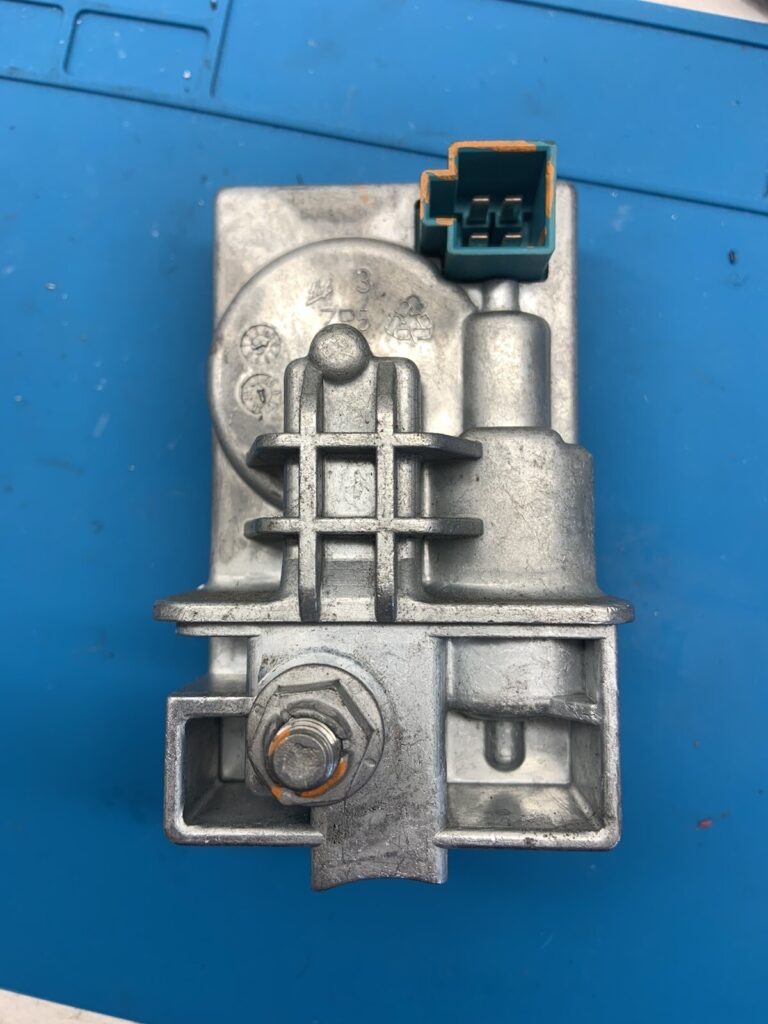
MR IGNITION • MERCEDES-BENZ ESL & EIS SPECIALIST Mercedes-Benz ESL Electronic Steering Lock Emulator Programming – Mobile & Postal UK Service Specialist Mercedes-Benz ESL and electronic steering lock emulator programming for suitable vehicle applications, with mobile specialist assistance and postal programming services available depending on the vehicle, system and work required. A failed Mercedes-Benz ESL Electronic Steering Lock can leave your vehicle completely immobilised. The key may appear to be recognised, but the steering remains locked, the ignition does not activate or the vehicle refuses to start. On suitable Mercedes-Benz security systems, the electronic steering lock forms part of the wider start-authorisation process involving components such as the electronic ignition system and vehicle key. When the ESL or ELV fails to operate correctly, the vehicle may not complete the normal sequence required to activate the ignition and allow the vehicle to start. Depending on the exact Mercedes-Benz model, system and confirmed fault, an appropriately programmed electronic steering lock emulator may provide a specialist solution to a failed ESL. Mr Ignition provides specialist Mercedes-Benz ESL emulator programming for suitable applications, with mobile and postal service options available depending on the work required. Mercedes ESL Failed? Quick Answer If your Mercedes-Benz key is recognised but the steering remains locked, the ignition will not activate or the vehicle will not start, a failed electronic steering lock may be one possible cause. For certain compatible Mercedes-Benz systems, an ESL emulator may be programmed or configured to provide an alternative specialist solution to the failed electronic steering lock. However, an emulator is not the correct solution for every Mercedes no-start fault. EIS, key-recognition, battery, electrical supply, communication and other security-system faults can produce similar symptoms. The underlying fault and vehicle compatibility should be established before an emulator is programmed or installed. Mercedes-Benz ESL or Steering Lock Fault? Contact Mr Ignition if your Mercedes-Benz has a suspected ESL or ELV fault, the steering remains locked, the key is recognised but the ignition does not activate, or the vehicle will not start. Same-day mobile service may be available subject to current availability, exact location, vehicle and work required. We are available 24/7 for ignition and steering lock enquiries. Call Now WhatsApp Us What Is a Mercedes-Benz ESL Electronic Steering Lock? ESL commonly stands for Electronic Steering Lock. On suitable Mercedes-Benz applications, the ESL is an electronically controlled security component responsible for locking and unlocking the steering column. The electronic steering lock works as part of a wider vehicle security and start-authorisation system. Depending on the vehicle generation and security architecture, this can involve communication between the key, electronic ignition system and other vehicle security components. When the correct starting sequence takes place, the vehicle expects the relevant security systems to communicate and operate correctly. If the steering lock does not release or the vehicle cannot confirm the expected steering lock status, normal ignition or starting authorisation may be prevented. What Is the Difference Between Mercedes ESL, ELV and EIS? Mercedes-Benz electronic security terminology can be confusing, particularly when drivers are researching a vehicle that will not start. Term General Meaning ESL Electronic Steering Lock – a term commonly used for the electronically controlled steering lock component. ELV Another term associated with an electronic steering locking system. Terminology can vary depending on the vehicle and technical context. EIS / EZS Electronic ignition-related system terminology used in Mercedes-Benz security and start-authorisation systems. The exact architecture varies by vehicle generation. These systems can interact as part of the vehicle’s security architecture, which is why a Mercedes-Benz that will not start should not automatically be diagnosed as having a failed steering lock. Common Symptoms of Mercedes-Benz ESL Failure A Mercedes electronic steering lock fault can produce different symptoms depending on the vehicle and exact nature of the failure. Steering Remains Locked The steering column may remain locked when the key is inserted or the vehicle is being started. Key Recognised but No Ignition The vehicle may appear to recognise the key while the normal ignition activation sequence does not complete. No-Start Condition A confirmed steering lock fault can prevent normal starting authorisation on suitable Mercedes-Benz systems. Steering Lock or ELV Warning Depending on the vehicle, a steering lock or related warning may be displayed. Intermittent Starting A developing ESL fault may initially occur intermittently before becoming a permanent no-start problem. Little or No Response from Ignition Operating the key may produce little or no expected ignition response when part of the start-authorisation sequence fails. Why Do Mercedes-Benz Electronic Steering Locks Fail? Mercedes-Benz electronic steering locks contain mechanical and electronic components that can develop faults over time. Internal Motor or Actuator Wear The electronic steering lock may use an internal motor or actuator to operate the locking mechanism. If this component becomes worn or fails, the steering lock may no longer complete its normal operating cycle. Mechanical Locking Mechanism Failure Internal mechanical components can wear or jam, preventing the steering lock from moving correctly between its expected positions. Position Detection Problems The vehicle may need confirmation that the steering lock has reached the required position. A fault affecting position detection or the physical movement of the mechanism may prevent the expected status from being reported. Electronic or Communication Faults Electrical supply, internal electronics, wiring or communication with other vehicle systems can potentially affect normal steering lock operation. This is why diagnosis should consider the wider Mercedes-Benz security and starting system rather than assuming every no-start condition is caused by the ESL. Important: Not Every Mercedes No-Start Problem Is a Failed ESL A Mercedes-Benz that recognises the key but will not start may have a steering lock fault, but other causes can produce similar symptoms. Depending on the vehicle, possible areas to investigate can include the key, EIS or electronic ignition system, battery condition, electrical supply, wiring, communication between modules and other security or starting-system components. An ESL emulator should therefore be used only where the vehicle and system are compatible and the underlying steering lock fault has been appropriately established. What
Your Trusted Mobile Car Locksmith in the South East – 247 Auto Locksmith
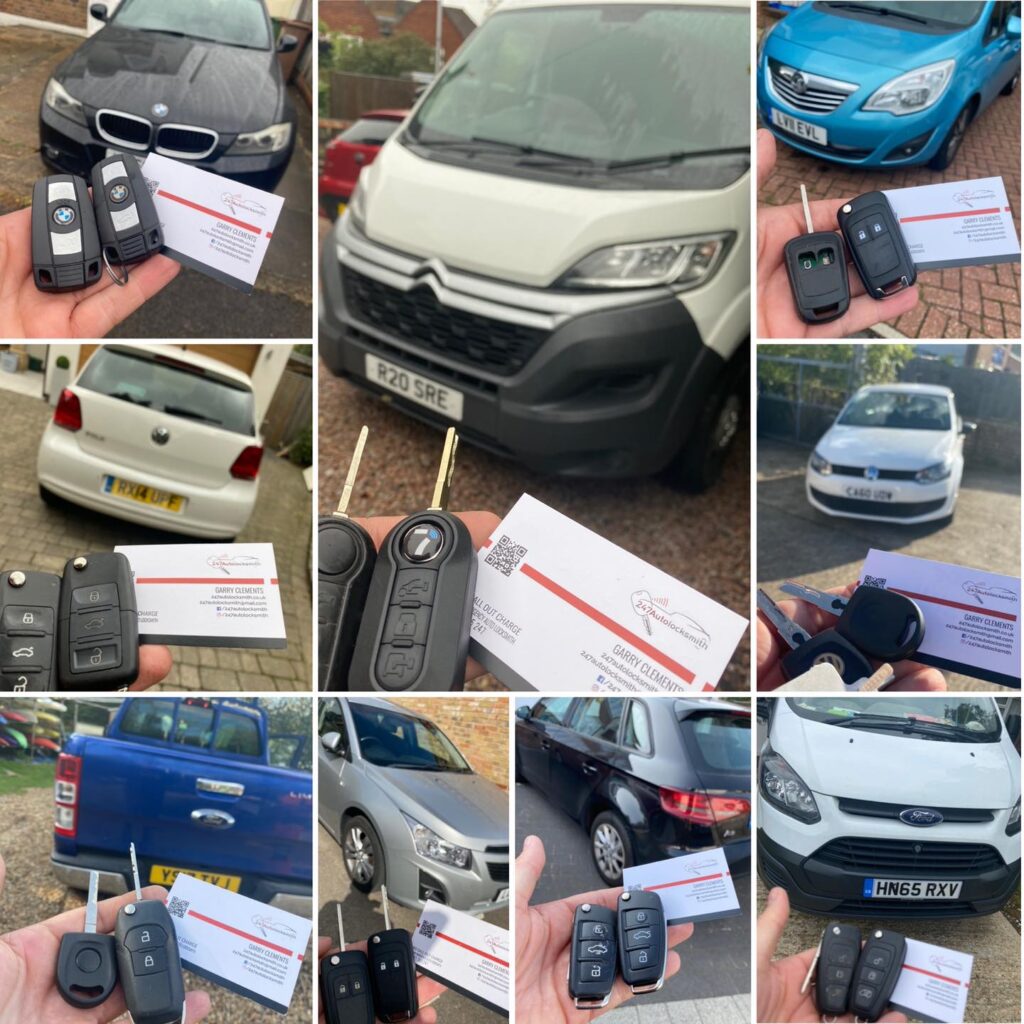
247 AUTO LOCKSMITH • MOBILE CAR LOCKSMITH SERVICES Your Trusted Mobile Car Locksmith in the South East – 247 Auto Locksmith Lost your car keys, locked out of your vehicle or need a replacement or spare car key? 247 Auto Locksmith provides professional mobile auto locksmith services across Surrey, West Sussex, South London and parts of Kent. Are you searching for a reliable car locksmith near you? Whether you’ve lost your car keys, need a spare, require a replacement key or are locked out of your vehicle, 247 Auto Locksmith provides mobile auto locksmith assistance across suitable areas of the South East. Vehicle key and lock problems can happen unexpectedly. You may discover your keys have been lost or stolen, shut the keys inside the vehicle, experience a damaged key fob or simply need a spare key before the only working key is lost. Instead of automatically arranging vehicle recovery to a main dealer, a mobile car locksmith may be able to provide the required service at your home, workplace or vehicle location, depending on the vehicle and work required. 247 Auto Locksmith specialises in mobile vehicle locksmith services, including car lockouts, lost car key replacement, spare car keys, key cutting and programming, key fob replacement and other vehicle key and security services. Need a Mobile Car Locksmith Near You? If you have lost your car keys, locked the keys inside your vehicle or need a replacement or spare key, 247 Auto Locksmith provides mobile auto locksmith services across Surrey, West Sussex, South London and parts of Kent. For suitable vehicles, services can include emergency vehicle entry, replacement car keys, spare keys, key cutting and programming and replacement key fobs. Service availability, response time and the work that can be completed at the vehicle depend on your location, vehicle make and model, key type and the specific problem. Need a Car Locksmith? Contact 247 Auto Locksmith for mobile assistance with lost car keys, car lockouts, replacement keys, spare car keys and suitable vehicle key programming services. Call 247 Auto Locksmith WhatsApp 247 Auto Locksmith Visit 247 Auto Locksmith Why Choose 247 Auto Locksmith? At 247 Auto Locksmith, the focus is on providing professional mobile vehicle locksmith services for drivers who need assistance with car keys, vehicle entry and related automotive locksmith problems. A mobile service means the locksmith comes to the vehicle, subject to location and availability, which can be particularly useful when a vehicle cannot be driven because all keys have been lost or the keys are locked inside. Mobile Auto Locksmith Service For suitable jobs and locations, the required locksmith equipment can be brought directly to the vehicle, reducing the need to arrange recovery elsewhere. Car Key Cutting & Programming Replacement and spare keys can be cut and programmed for many suitable vehicle applications using specialist automotive locksmith equipment. Lost Car Key Solutions If every working key has been lost, a replacement key may be produced for many vehicles depending on the make, model, year and key system. Car Lockout Assistance If the keys are locked inside the vehicle, specialist vehicle-entry techniques may be used where appropriate for the specific vehicle. Key Options for Different Requirements Depending on vehicle compatibility and availability, different replacement key or remote options may be available for suitable applications. Mobile Coverage Across the South East Mobile services are available across suitable areas of Surrey, West Sussex, South London and parts of Kent, subject to current availability and exact location. Mobile Auto Locksmith Services 247 Auto Locksmith provides a range of automotive locksmith services for drivers experiencing vehicle key, lock and security-related problems. Lost or Stolen Car Keys Losing your only working car key can leave the vehicle immobilised and create an urgent need for a replacement. If your keys have been lost or stolen, 247 Auto Locksmith can assess the vehicle and available replacement options. For many suitable vehicles, a replacement key can be cut and programmed using specialist automotive locksmith equipment. The exact process depends on the vehicle manufacturer, model, year and security system. Some vehicles require different procedures or equipment, so vehicle details should be provided when requesting assistance. If your key has been stolen rather than simply lost, ask about the appropriate options for your particular vehicle and key system. Car Lockouts Locking your keys inside your car can happen quickly and often at the least convenient time. A mobile auto locksmith can attend suitable vehicle lockout situations and use specialist entry techniques appropriate for the vehicle. The exact entry method depends on the vehicle design, lock system and circumstances. Professional vehicle entry aims to regain access using the appropriate method for the specific vehicle. Spare Car Keys Having only one working car key creates a risk that a future lost or damaged key could leave the vehicle completely immobilised. Getting a spare car key while you still have a working key can be a practical way to reduce the disruption caused by losing your only key. Depending on the vehicle, spare key services may include key cutting, transponder programming and remote or key fob programming. Key Fob Replacement Vehicle key fobs can become worn, damaged or stop operating correctly over time. Common problems can include damaged cases, worn buttons, water damage, internal electronic faults or a remote function that no longer operates correctly. Depending on the vehicle and condition of the existing key, the appropriate solution may involve repair of a suitable key, replacement of the key or fob, or programming of a compatible replacement. Car Key Cutting and Programming Modern vehicle keys can contain transponder chips, remote-control electronics or other technology that must work correctly with the vehicle. Producing a replacement key may therefore involve more than simply cutting the mechanical key blade. For suitable vehicles, specialist auto locksmith equipment can be used to cut and program compatible replacement or spare keys. The procedure varies between vehicle manufacturers and security systems, so compatibility should be confirmed for the specific vehicle. Ignition and EIS-Related Problems Some starting problems
Ignition Barrel Replacement Near Me – Fast Mobile Service
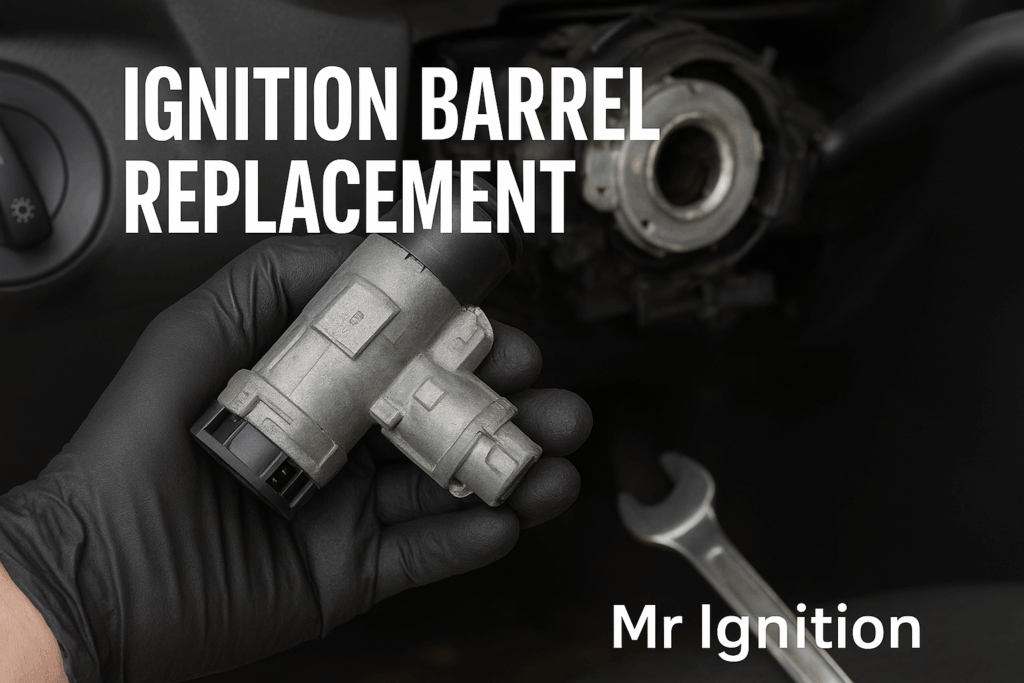
MR IGNITION • MOBILE IGNITION BARREL SPECIALIST Ignition Barrel Replacement Near Me – Fast Mobile Service Searching for ignition barrel replacement near you? Mr Ignition provides specialist mobile ignition barrel diagnosis, repair and replacement services for suitable cars and vans across Surrey, West Sussex, South London, Kent and surrounding service areas. If your car key will not turn in the ignition, the ignition barrel feels stiff or jammed, the key is stuck inside the ignition or the vehicle has an intermittent ignition problem, the ignition lock barrel may be worn or damaged. Searching online for “ignition barrel replacement near me” usually means you need a specialist who can come to the vehicle rather than arranging recovery to a garage or main dealer. Mr Ignition specialises in mobile ignition barrel services for suitable cars and vans. Depending on the vehicle and confirmed fault, the appropriate solution may involve diagnosis, repair or replacement of the ignition barrel or another related ignition component. Our mobile service is designed to provide specialist assistance at your home, workplace or another suitable vehicle location, subject to coverage, availability and safe working conditions. Need Ignition Barrel Replacement Near You? If your ignition key will not turn, the barrel has become stiff or jammed, the key is stuck or the ignition mechanism is no longer operating correctly, the ignition barrel may require specialist attention. For suitable vehicles, Mr Ignition can provide mobile ignition barrel diagnosis, repair and replacement at the vehicle’s location. However, not every ignition-related no-start problem is caused by the mechanical ignition barrel. The ignition switch, key, steering lock, immobiliser or an electronic ignition system may produce similar or related symptoms. Correctly identifying the faulty component before replacement helps avoid unnecessary parts and work. Key Won’t Turn or Ignition Barrel Jammed? Contact Mr Ignition for specialist mobile ignition barrel assistance. Same-day service may be available subject to current availability, exact location, vehicle and work required. We are available 24/7 for ignition and steering lock enquiries. Call Now WhatsApp Us What Is an Ignition Barrel? The ignition barrel, also commonly referred to as an ignition lock barrel or ignition lock cylinder, is the mechanical component into which the vehicle key is inserted on vehicles using a conventional key-operated ignition system. Inside the barrel are mechanical components designed to interact with the correct key profile. When the correct key is inserted and the mechanism is operating normally, the barrel can rotate through the required ignition positions. Over time, internal wear, damaged components, contamination, a worn key or another mechanical problem can cause the ignition barrel to become stiff, intermittent or completely jammed. Ignition Barrel vs Ignition Switch – What Is the Difference? The terms ignition barrel and ignition switch are sometimes used interchangeably, but they are not necessarily the same component. Component General Function Ignition Barrel / Lock Cylinder The mechanical key-operated component into which the vehicle key is inserted. Mechanical wear can cause symptoms such as a stiff key, a key that will not turn or a jammed ignition. Ignition Switch The electrical switching component associated with the vehicle’s ignition circuits on suitable vehicles. A faulty switch can cause electrical or starting symptoms even when the mechanical barrel turns normally. Electronic Ignition System Some vehicles use electronic ignition and start-authorisation systems rather than a conventional mechanical ignition barrel. Mercedes-Benz EIS/EZS systems are an example of a different type of ignition-related architecture. Correct diagnosis matters because replacing a mechanical ignition barrel will not resolve a fault caused by an electrical ignition switch, steering lock, immobiliser or electronic ignition system. For suspected electrical ignition switch faults, see our ignition switch replacement service . Common Signs You May Need Ignition Barrel Replacement Ignition barrel problems often develop gradually before the mechanism fails completely. Common symptoms can include: Key Won’t Turn in the Ignition The key may insert normally but refuse to rotate because the internal ignition barrel mechanism is worn, damaged or jammed. Ignition Feels Stiff Increasing resistance when turning the key can indicate wear within the barrel, although the condition of the key should also be considered. Key Stuck in the Ignition A mechanical fault can potentially leave the key trapped inside the ignition barrel or make it difficult to remove normally. Intermittent Ignition Operation A developing mechanical or related ignition fault may initially occur intermittently before the vehicle becomes unusable. Key Only Turns After Wiggling If the key repeatedly needs to be moved, adjusted or wiggled before the barrel turns, the key or internal barrel components may be worn. Ignition Barrel Completely Jammed A severely worn or failed mechanism may eventually stop turning altogether, potentially leaving the vehicle immobilised. Key Won’t Turn? Avoid Forcing the Ignition If the key has become increasingly difficult to turn, repeatedly applying excessive force can make the situation worse. A worn key can break, the ignition barrel mechanism can become more severely damaged or a key may become trapped inside the ignition. If the ignition has become stiff or unreliable, having the problem assessed before complete failure can reduce the risk of becoming stranded with a jammed ignition. Why Do Ignition Barrels Fail? Ignition barrels are mechanical components that can experience wear through repeated use over many years. Several factors can contribute to ignition barrel problems. Internal Mechanical Wear Repeated insertion and turning of the key can gradually wear internal components within the ignition lock mechanism. As wear develops, the key may become increasingly difficult to turn until the barrel eventually jams. Worn or Damaged Vehicle Key A heavily worn key can sometimes contribute to poor operation of the ignition barrel. Where possible, comparing the behaviour of another working key may help establish whether the key itself is contributing to the problem. Broken Key in the Ignition If a worn or damaged key breaks inside the ignition barrel, the broken section may need specialist extraction before the condition of the barrel can be properly assessed. If you have a key broken inside the ignition, see our broken key extraction service . Contamination